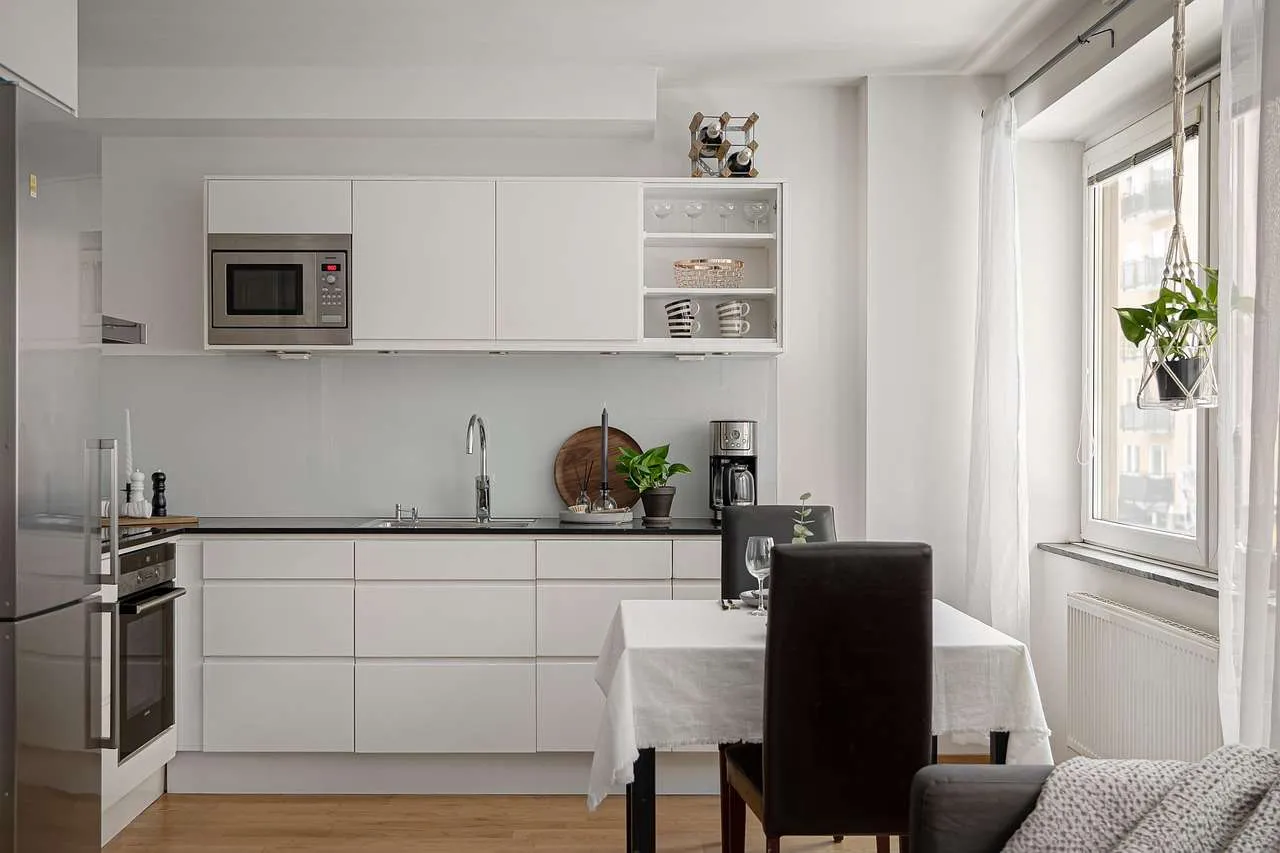
When homeowners search for home window tinting near me, they are often seeking improved comfort, reduced energy costs, and enhanced privacy. Residential tinting uses a thin film applied to the interior of glass to reject heat and UV rays while preserving visibility. Local installers vary in price, film brands, warranty terms, and service quality, so understanding options and asking the right questions helps ensure a smart, lasting choice.
What is home window tinting?
Home window tinting involves applying a transparent or lightly tinted film to the interior surface of windows. The film is designed to reduce heat transfer, glare, and UV exposure while maintaining enough daylight for comfortable living spaces. Professional installation ensures the film is cut precisely to fit each pane and sealed to prevent bubbles or peeling. The right tint can be tailored to climate, orientation, and privacy needs, making the search for home window tinting near me a search for value and reliability.
Benefits of residential window tinting
- Energy savings: Heat rejection lowers cooling loads in summer and reduces thermal fatigue on furnishings.
- UV protection: Blocking up to 99 percent of ultraviolet rays helps prevent fading of floors, furniture, and artwork.
- Glare reduction and comfort: Films diminish harsh sun glare, creating more comfortable living areas and easier screen viewing.
- Privacy and safety: Tinted films increase privacy while holding glass together in case of breakage, depending on the film type.
- Aesthetics and resale value: A consistent tint can soften exterior lighting and boost overall home appeal.
Types of window tint and what to know
Choosing the right film depends on climate, window type, and budget. Here are common options you might encounter when evaluating home window tinting near me:
Dyed window film
Dyed films absorb heat and reduce glare at a lower cost. They are less effective at heat rejection than advanced options and may fade over time, but they can be a good entry point for budget-conscious projects.
Metalized films
These films incorporate metal layers to reflect heat, improving energy performance. However, they can interfere with electronics and anneal if not installed properly, so choose an experienced professional when searching for home window tinting near me.
Ceramic films
Ceramic films are high performance, offering excellent heat rejection without the reflectivity of metalized options. They maintain clarity and have strong long-term durability, typically with robust warranties.
Carbon films
Carbon films reduce solar heat without creating too much reflectivity and preserve interior brightness. They resist fading and provide a natural look that suits many homes.
Privacy and reflective films
These films emphasize privacy or a mirrored exterior appearance. They can be effective in certain directions but may limit outward visibility at night. Aligning privacy needs with urban living is a common consideration when evaluating home window tinting near me.
How to choose a local installer
Finding a trustworthy provider is essential for long-term satisfaction. When you search for home window tinting near me, consider these steps:
- Look for licensed, insured installers with local references and a proven track record.
- Ask about film brands, warranties, and the installation process. A reputable shop should offer a warranty that covers bubbling, peeling, and fading for a defined period.
- Request on-site evaluations and written quotes. Compare film options, performance claims, and expected lead times.
- Check reviews and before-after photos to gauge alignment with your expectations and climate needs.
- Inquire about post-install care and potential maintenance requirements to preserve warranty eligibility.
Costs, ROI, and financing
Costs for residential tinting depend on window area, film type, and local labor rates. Typical ranges are generally $5 to $15 per square foot, including installation. A small-to-mid sized home might see total project costs from $1,000 to $3,000, while larger homes with many windows can exceed this range. When evaluating costs, consider potential energy savings, extended furniture life, and comfort improvements as part of your return on investment. Some installers offer financing or package deals, which can help manage upfront expense.
Installation process and aftercare
A professional installation typically follows these steps: a site review and measurement, window surface cleaning, film cutting to pane dimensions, film application with squeegees to remove air pockets, edge sealing, and curing time. After installation, you may need to avoid cleaning the film for a short period and follow the manufacturer's cleaning guidelines to prevent damage. A clear warranty and maintenance plan helps ensure long-term performance and peace of mind when you select home window tinting near me.
Comparison at a glance
| Tint Type | Typical VLT | Pros | Cons |
|---|---|---|---|
| Dyed film | 30-50% | Low cost, good glare reduction | May fade, moderate heat rejection |
| Metalized film | 25-60% | Excellent heat rejection, strength | Possible electronics interference |
| Ceramic film | 40-70% | Best clarity, high heat rejection | Higher upfront cost |
| Carbon film | 35-60% | Good heat rejection, non-reflective | Mid-range cost |
Legal considerations and maintenance
Local laws may regulate reflectivity, especially on front-facing windows or in certain zoning areas. Before proceeding, confirm any restrictions with your installer and ensure compliance with neighborhood rules. Routine maintenance is simple: clean with mild soap and water, avoid abrasive tools, and inspect edges for peeling during routine home maintenance checks. Proper care preserves clarity and warranty coverage, reinforcing the value of a careful search for home window tinting near me.
Conclusion
Conclusion, choosing the right home window tinting near me combines climate insight, film technology, and a reliable local team. Compare options by performance, warranty, and price, verify licenses and references, and plan for installation timing that fits your schedule. With the right film and professional application, you gain energy savings, UV protection, privacy, and a more comfortable home throughout the year.